As talks resume, Rubio, Vance accuse Iran of trying to restart its nuclear program
U.S. and Iranian negotiators resumed talks in Geneva amid accusations from U.S. officials, including Rubio and Vance, that Iran is trying to rebuild its nuclear and ballistic missile programs, threatening regional and U.S. security. Iran's President Khamenei and officials deny pursuit of nuclear weapons, emphasizing a ban on WMDs. Meanwhile, some U.S. policymakers suggest that Israel may strike Iran first, potentially prompting retaliation and raising concerns about U.S. casualties and political risks. Iran reportedly offers financial incentives to reach an agreement, including investments in oil and gas industries, in an attempt to influence negotiations.

As talks resume, Rubio, Vance accuse Iran of trying to restart its nuclear program
Iran’s president: Khamenei has banned weapons of mass destruction, so country not seeking nukes; Trump aides said to prefer Israel attack Iran first: ‘The politics are a lot better’
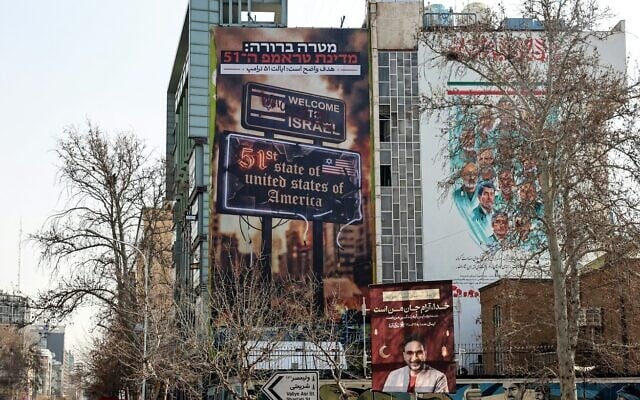
Negotiators resumed US-Iran nuclear talks in Geneva on Thursday, hours after senior American officials made the case that Iran poses a major threat to the United States and is actively working toward a nuclear bomb.
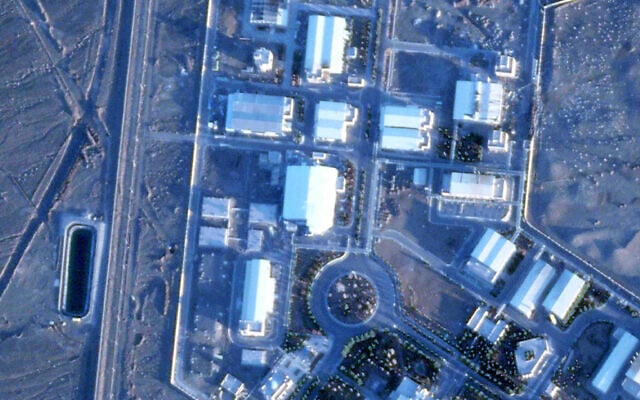
US Secretary of State Marco Rubio and Vice President JD Vance both told reporters on Wednesday that Tehran is working to rebuild sites that were damaged by American and Israeli airstrikes during last year’s 12-day war, a claim some analysts have cast doubt on.
Speaking to reporters Wednesday during a trip to St. Kitts and Nevis, Rubio accused Iran of continuing to pursue a nuclear weapon and said its ballistic missiles were also a major threat to US assets.
“After their nuclear program was obliterated, they were told not to try to restart it, and here they are,” Rubio said. “You can see them always trying to rebuild elements of it. They’re not enriching [uranium] right now, but they’re trying to get to the point where they ultimately can.”
Rubio said Iran also possessed a very large number of ballistic missiles that threaten US interests in the region and that it was trying to develop weapons that can reach the continental United States.
“Beyond just the nuclear program, they possess these conventional weapons that are solely designed to attack America and attack Americans if they so choose to do so… They already possess weapons that can reach much of Europe already now, as we speak,” Rubio said.
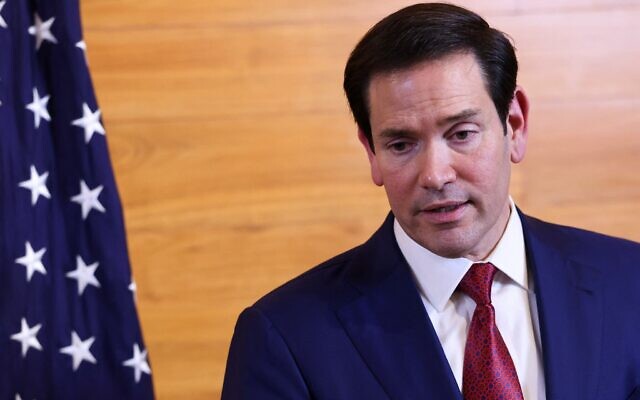
Tehran’s insistence on not discussing the topic of ballistic missiles in the Geneva talks is a “big, big problem,” Rubio said, adding that he did not want to characterize the Thursday talks as anything other than “the next opportunity to talk,” even as he hoped for progress.
“Hopefully they’re productive but eventually we’ll have to have conversations more than just the nuclear program,” he said.
However, Rubio steered clear of saying whether the talks in Geneva would be a make-or-break moment in deciding if the United States attacks Iran.
“The president wants diplomatic solutions. He prefers them greatly,” he said.
Asked about a potential strike on Iran, Rubio said: “The president’s made no decision on that, so I don’t know if Thursday’s the key date for that. I think progress needs to be made.”
Iran has the largest stockpile of ballistic missiles in the Middle East, according to the US Office of the Director of National Intelligence. Iranian missiles have a self-imposed range of 2,000 kilometers (1,240 miles), which officials in the past said was enough to protect the country since it covers the distance to Israel.

Also Wednesday, Vance said White House envoys Steve Witkoff and Jared Kushner would be heading the American delegation to the talks to assess whether an agreement could still be reached.
“The principle is very simple: Iran cannot have a nuclear weapon,” Vance told reporters. “If they try to rebuild a nuclear weapon, that causes problems for us. In fact, we’ve seen evidence that they have tried to do exactly that.”
Vance added that US President Donald Trump wants to address the Iranian nuclear program “diplomatically, but of course the president has other options as well.”
Despite the claims from Rubio and Vance — which echoed remarks made by Trump in his State of the Union address Tuesday night — the Wall Street Journal on Wednesday cited experts and diplomats saying that Iran has not made any major advances on its atomic program since last June’s US strikes.
David Albright, a former UN weapons inspector, told the newspaper that according to satellite imagery, “we don’t see any evidence that they are trying to reconstitute their nuclear-weapons program. They are essentially on hold.”
And on Thursday, Iranian President Masoud Pezeshkian reiterated that his country is not seeking a nuclear weapon.
Iran’s Supreme Leader Ayatollah Ali Khamenei has banned weapons of mass destruction, which “clearly means Tehran won’t develop nuclear weapons,” Pezeshkian said.
US Senator Lindsey Graham, considered close to Trump, wrote on X on Wednesday that if reports are true, “that there is a consideration of allowing Iran to have very small enrichment of uranium for face-saving purposes: screw that.”
Graham said the Iranian regime “has American blood on its hands and they have killed over 30,000 of their citizens simply because they demand the end to their oppression. I could care less about efforts to save face for this regime. I would like to see the people of Iran change the regime – it’s long overdue. I hope help is on the way.”
‘High likelihood of US casualties… That comes with lots of political risk’
Meanwhile, according to a report by the Politico news site, unnamed advisers to Trump have argued that an Israeli strike would lead Iran to retaliate, helping build support among the US public for an American military offensive.
“There’s thinking in and around the administration that the politics are a lot better if the Israelis go first and alone and the Iranians retaliate against us, and give us more reason to take action,” said one of the sources quoted in the report.
Two sources were cited by Politico as saying that a joint US-Israeli operation could be a possible course of action, whether or not Israel strikes first, with one saying that though the talks with Iranians are serious, those closest to Trump believe “we’re going to bomb them.”
The report said that the extent of a potential American military campaign remains unclear, citing concerns that the depletion of US munitions could encourage China to attempt an invasion of Taiwan, and that a more expansive offensive raises the prospect of casualties.
“If we’re talking about a regime-change scale attack, Iran is very likely to retaliate with everything they’ve got. We have a lot of assets in the region and every one of those is a potential target,” said one of the sources. “And they’re not under the Iron Dome. So there’s a high likelihood of American casualties. And that comes with lots of political risk.”
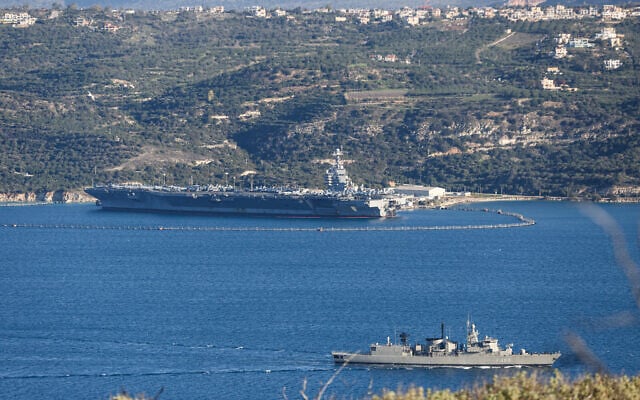
As both countries jockey for position ahead of the talks, the Financial Times reported Thursday that Iran is seeking to offer financial incentives to Trump in a bid to reach an agreement.
According to one source quoted in the report, the Islamic Republic will appeal to Trump’s affinity for deal-making and float a “bonanza” to the US, including investments in its large oil and gas industries.
Such an offer would be “specifically directed at Trump, a major economic bonanza in oil and gas and mining rights, critical minerals and all of that,” the source told FT.
A US official told the publication that Iran is gleaning lessons from the situation in Venezuela, where the US has sought access to the country’s vast oil reserves after seizing its president in a nighttime raid last month.
The Times of Israel Community.
JOIN THE TOI COMMUNITYAlready a member?
Comments (0)
No comments yet. Be the first to share your thoughts.
Sign in to leave a comment.