Middle East braces for another conflict but uncertainty remains over Trump's final decision ...
The U.S. and Iran held face-to-face talks in Geneva amid a significant U.S. military buildup in the Middle East, raising fears of escalation toward conflict. While negotiations focus on preventing Iran from acquiring nuclear weapons, tensions remain high as Iran seeks to maintain its nuclear program for peaceful purposes, and Israel is highly prepared for potential war. Experts suggest a low likelihood of an acceptable deal and highlight Israel's increased readiness, with the possibility of a large-scale or limited U.S. attack, though U.S. plans and intentions remain uncertain.

Middle East braces for another conflict but uncertainty remains over Trump's final decision, analysts say
The U.S. and Iran held face-to-face talks in Geneva on Thursday.
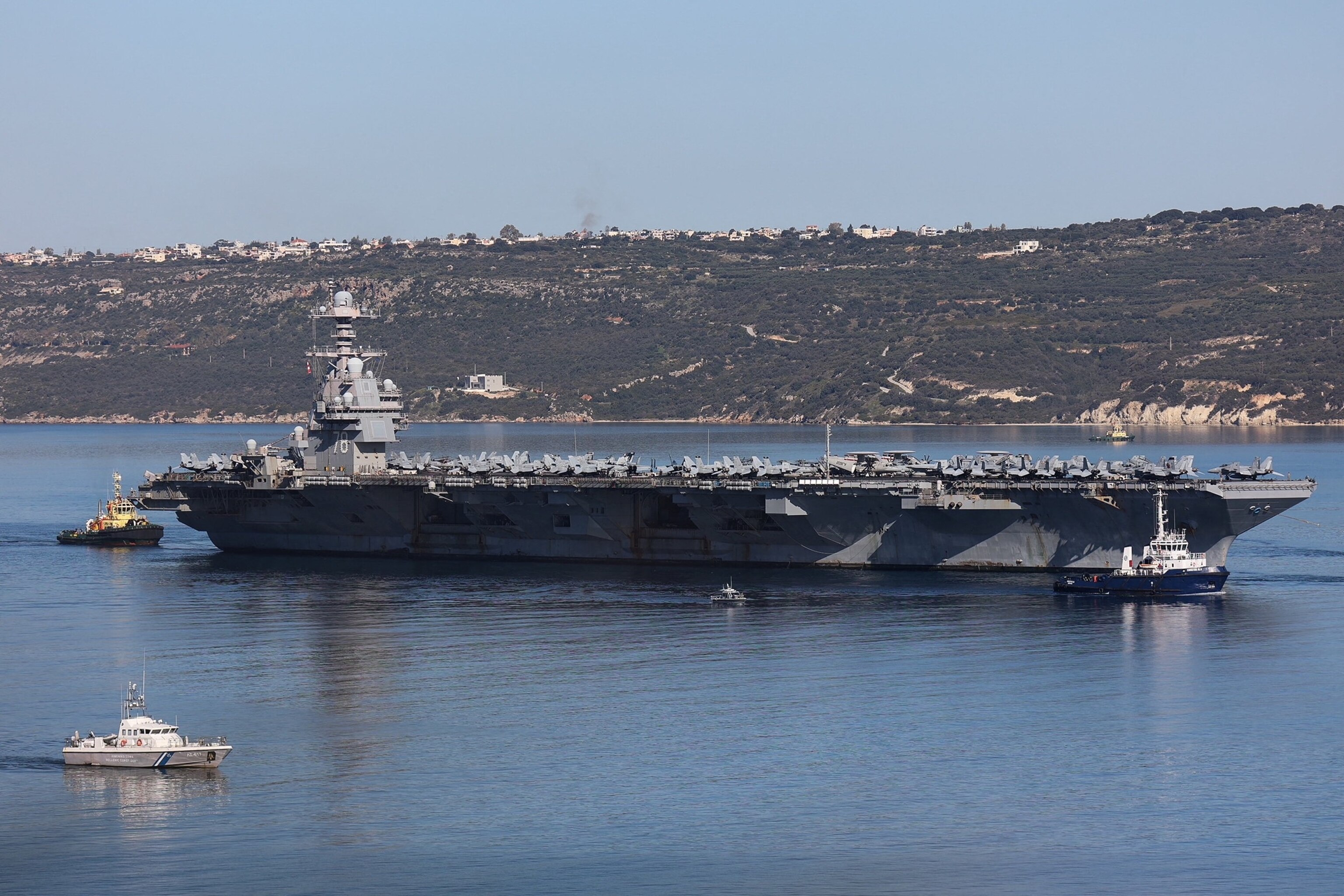
The United States and Iran held face-to-face talks in Geneva on Thursday, but a huge military build-up of U.S. forces in the Middle East has the region bracing for a second major war in under a year.
In his State of the Union address, President Donald Trump reiterated that Iran cannot be allowed to have a nuclear weapon. Iran has maintained that its nuclear program is for peaceful purposes. If the U.S. were to attack, Iran has said that U.S. bases in the region and Israel would be hit in response.
The chances of there not being a U.S. strike are very low, some analysts who spoke to ABC News said. But what a U.S. strike would look like remains far from clear.
Israel is more prepared for war with Iran than ever before, even as U.S. aims for a major conflict have not been clearly articulated, a former official told ABC News.
Danny Yatom, a former head of Mossad from 1996 to 1998, told ABC News that war with Iran represents an opportunity to set back Iran’s offensive capabilities.
He said Israel is more prepared than ever, defensively and offensively, for a war against Iran -- a belief echoed by many in Israel’s security establishment after last summer’s 12-day war between the arch enemies left the regime battered.
"It is well understood that no one except President Trump and maybe even he [doesn't] know exactly what's going on," Yatom said.
Yatom said there are three options on the table: a large-scale U.S. attack on Iran, a small-scale attack, or some kind of deal emerging from negotiations in Geneva.
Yatom said it is very likely there will not be a mutually "acceptable" agreement. The gaps in the U.S. and Iranian positions, he said, are too wide to bridge.
The U.S. has made public demands of Iran, but in the past few days seems to have narrowed its focus exclusively on preventing Iran from building a nuclear weapon, according to ABC News contributor and retired Col. Steve Ganyard.
In previous statements, Trump had "talked about helping protesters and about making sure that Iran didn't develop a means of delivery and intercontinental ballistic missile that could get to the U.S. or even better, long range weapons that could get to Israel or to Europe," Ganyard said in an interview.
Iran, on the other hand, has been "very firm in that they were not going to give up all of their nuclear capabilities" and they are seeking to continue to develop nuclear capability for peaceful civilian use, Ganyard said.
As protests continue within Iran, the regime may also realize that nuclear capability is their way to remain in power, Ganyard said, pointing to the former Libyan dictator Muammar Gaddafi who voluntarily dismantled his nuclear program in 2003 before being overthrown and killed by rebel fighters in 2011.
More than 7,000 people have been killed by the Iranian regime in their crackdown against nationwide protests that have embroiled Iran in recent months, the Human Rights Activists News Agency, a U.S.-based group, reported earlier this month. ABC News cannot independently verify the group's figures.
To the Trump administration, Iran retaining nuclear capability may sound very similar to the deal the Obama administration reached with Iran in 2015, Ganyard said.
"That hardens their position and leaves less room for negotiation. But at this point, it does seem that the [Trump] administration feels that it has the upper hand on negotiations because they put so much military power into the region, and the Israelis, at least plausibly, would be there to help in ways that they have in the past," Ganyard said.
Popular Reads
Oman's foreign minister said after the conclusion of talks Thursday there was "significant progress" in the negotiations between the U.S. and Iran.
"We will resume soon after consultation in the respective capitals," Minister Badr Albusaidi said. "Discussions on a technical level will take place next week in Vienna."
But the massive U.S. buildup in the region has had two major impacts: It makes a strike more likely if talks collapse, and it sets up Israel to be in its strongest defensive — and offensive — positions, experts said.
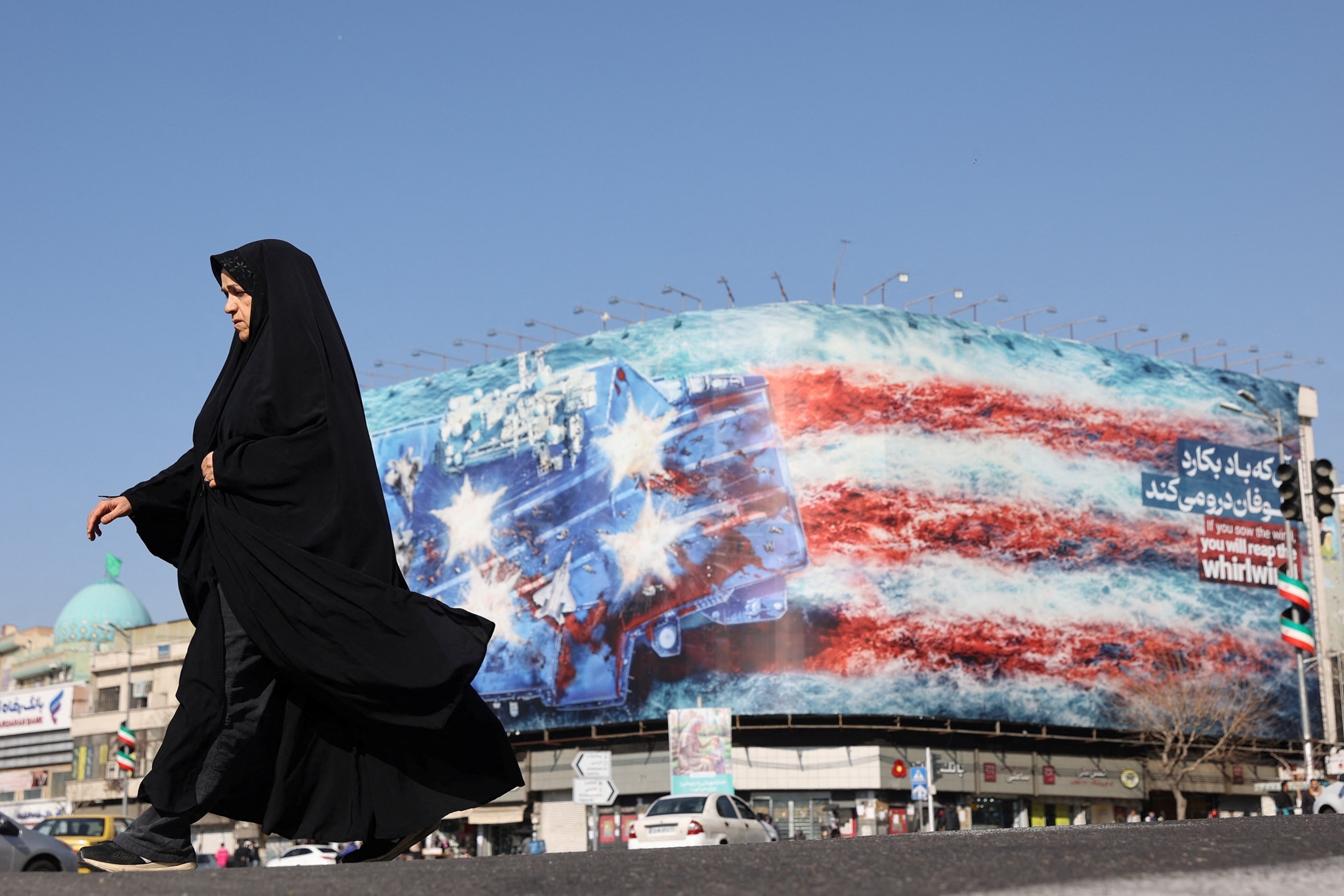
Israel is "more ready than it was half a year ago during (the) attack in June," Yatom said, referring to the 12-day war in June 2025 between Iran and Israel. That conflict began with a surprise attack from Israel on Iranian nuclear sites that Israeli officials called a preemptive strike. Israel and Iran agreed to a ceasefire deal later that month.
"American armed forces are deployed at full scale — Iran will have to deal with not only Israel, but first and foremost the United States," he said.
"It is therefore easier to manage ground-to-air defenses in Israel," Yatom added, adding some of Iran's firepower will be directed at other targets.
The U.S. Embassy has ordered the evacuation of some staff from Beirut. Israel has continued to strike Hezbollah targets in Lebanon since the implementation of a ceasefire on the northern border more than a year ago. The Israel Defense Forces say their troops still control five key outposts on Lebanese territory.
The IDF said it is thwarting Hezbollah’s attempts to rearm which constitutes a violation of the "ceasefire understandings" between Israel and Lebanon, according to a post on X.
Yatom said there are Arab media reports that Hezbollah is preparing to join an Iranian attack on Israel, but the militant group’s capabilities have been weakened by continued strikes.
"Hezbollah has suffered big blows from Israel," he said. "Israel continues to attack pinpointed targets in Lebanon. Their capability to fire long-range ballistic weapons is less than it used to be.
A former Israeli intelligence official who spoke to ABC News on the condition that he not be named said, "on the question of whether Hezbollah will join in the conflict, the answer is yes. But their capabilities are not what they once were."
Israeli Prime Minister Benjamin Netanyahu favors major U.S. strikes aimed at toppling Iran’s regime, Yatom says, but both Israeli officials said the Israeli leader is concerned Trump could accept a weak nuclear deal instead.
"No one knows President Trump's intentions, including Netanyahu," Yatom said.
Seven meetings between the Israeli prime minister and the U.S. president have yielded no public declarations of a joint strategy on Iran beyond vows to prevent the regime from developing nuclear weapons. Yatom described the prospect of war as a "wonderful opportunity" for Israel's national security interests.
Comments (0)
No comments yet. Be the first to share your thoughts.
Sign in to leave a comment.