Trump: U.S. Navy May Escort Tankers Through Strait of Hormuz, More European Warships ...
President Donald Trump signaled the U.S. would provide military escorts and war insurance to oil tankers transiting the Strait of Hormuz after the Iranian Revolutionary Guard Corps threatened to attack vessels in the strategic waterway crucial to the world’s natural gas and oil network. “Effective IMMEDIATELY, I have ordered the United States Development Finance Corporation (DFC) to provide, at a very reasonable price, political risk insurance and guarantees for the Financial Security of ALL Maritime Trade, especially Energy, traveling through the Gulf. This will be available to all Shipping Lines. If necessary, the United States Navy will begin escorting tankers

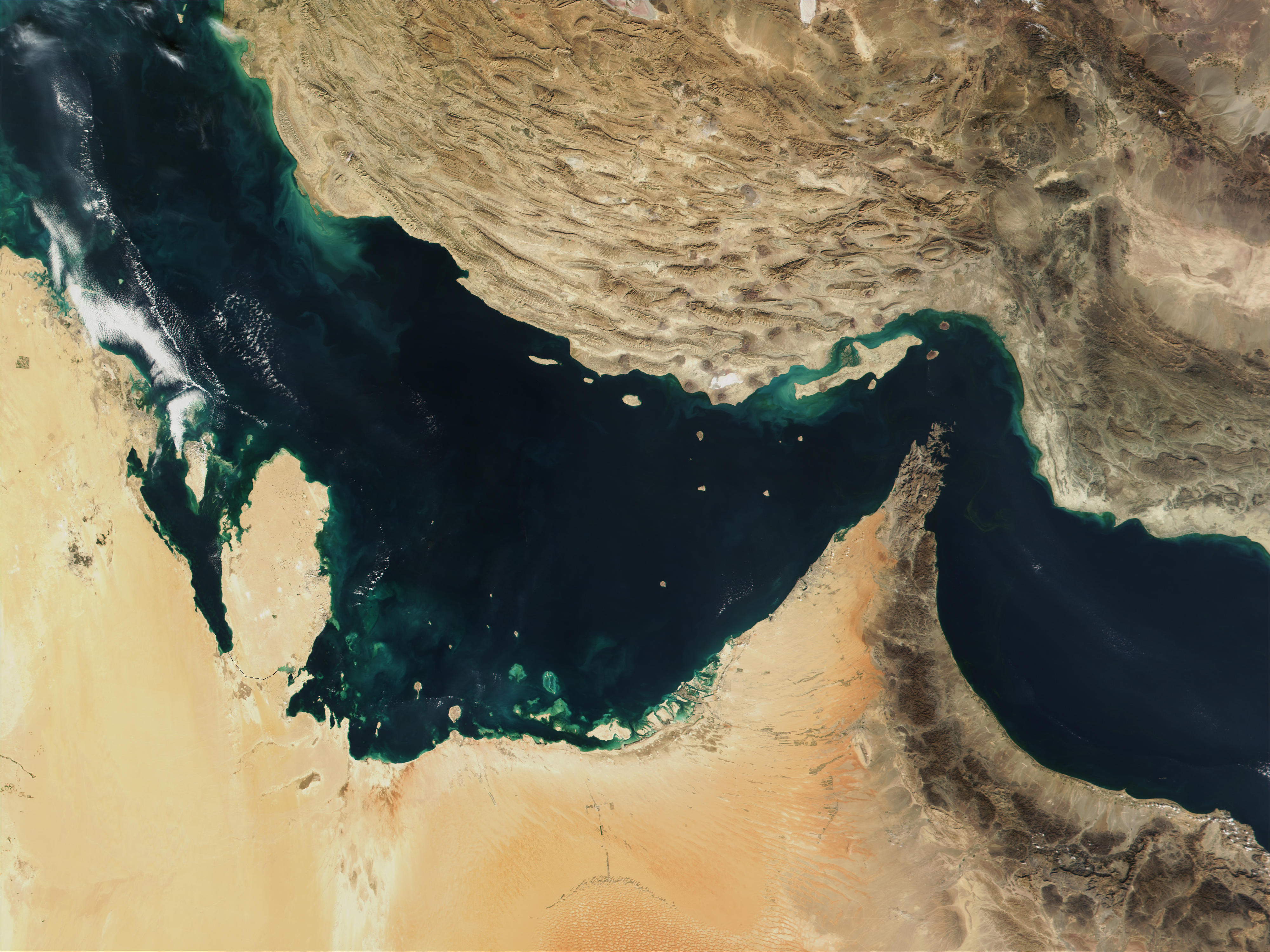
President Donald Trump signaled the U.S. would provide military escorts and war insurance to oil tankers transiting the Strait of Hormuz after the Iranian Revolutionary Guard Corps threatened to attack vessels in the strategic waterway crucial to the world’s natural gas and oil network.
“Effective IMMEDIATELY, I have ordered the United States Development Finance Corporation (DFC) to provide, at a very reasonable price, political risk insurance and guarantees for the Financial Security of ALL Maritime Trade, especially Energy, traveling through the Gulf. This will be available to all Shipping Lines. If necessary, the United States Navy will begin escorting tankers through the Strait of Hormuz, as soon as possible. No matter what, the United States will ensure the FREE FLOW of ENERGY to the WORLD. The United States’ ECONOMIC and MILITARY MIGHT is the GREATEST ON EARTH — More actions to come,” Trump said in a Truth Social post.
The announcement comes one day after Iranian state media reported Iranian forces would enforce a closure of the strait in response to the U.S.-Israel attacks on Iran, which launched Saturday and continue to target the country’s regular and sectarian naval forces. Over the last several decades, the Iranians have built a vast inventory of sea mines designed to block the flow of crude from the Gulf States for export in an attempt to seize control of the strait. Iran’s sectarian Iranian Revolutionary Guard Corps Navy is responsible for maintaining control of the waterway for Tehran and have intermittently attacked, harassed and seized ships transiting the strait.
A Pentagon spokesperson referred USNI News to the post on Truth Social when asked for additional information on Tuesday afternoon.
U.S. allies Saudi Arabia, Qatar, Kuwait, United Arab Emirates and Bahrain rely on the Strait of Hormuz to export petroleum products like crude oil and natural gas. Collectively, the region is responsible for a quarter of the world’s oil and gas production.
While the Trump administration is calling for tanker protection, the U.S. Navy told shipping industry leaders that the sea service does not have naval availability to provide escorts through the Strait of Hormuz, maritime and shipping intelligence service Lloyd’s List reported Tuesday.

As of Monday, the U.S. had nine guided-missile warships deployed to the Arabian Sea along with three Littoral Combat Ships that are forward deployed to Bahrain, according to USNI News Fleet and Marine Tracker.
Iran claims that the Strait of Hormuz is closed to traffic, however the decision to avoid the strait has come from shipping companies that are choosing to send ships elsewhere due to the inability to get war insurance. Shipping companies like Maersk, Hapag-Lloyd and MSC have opted to avoid the strait, according to The Associated Press. The shipping companies also avoided the Red Sea during the Houthi attacks.
Traffic in the strait was down 81 percent Sunday compared to the previous week, Lloyd’s List reported. There are about 200 tankers that are currently stranded in the Middle East following the halt of traffic through the strait, according to Lloyd’s List.
Just four vessels over 10,000 deadweight tonnage (dwt) transited the strait on Monday, according to the shipping analysis. Ships are mostly sailing eastward, away from the Middle East.
AIS tracking site Marine Traffic showed dozens of ships at anchor in the Gulf of Oman waiting to transit.
As of Tuesday, a barrel of oil was priced at $80, indicating the Strait of Hormuz halt could be short-term, Lloyd’s List reported.
About a fifth of all oil flows through the strait with 20.3 million barrels per day transiting in 2024, according to the U.S. Energy Information Administration. The EIA predicted that about 2.6 million barrels per day of oil from Saudi Arabia and the United Arab Emirates could be sent on alternate routes if there was a disruption in the strait.
Aramco, a Saudi oil company, is looking to send some of its oil through the Red Sea to avoid the strait, Reuters reported. Although the Houthis have been sharing messages of support for Iran, the Yemen-based group has not yet indicated that it will resume attacks on commercial shipping.
European Warships to the Region

European navies are deploying to the Eastern Mediterranean to protect bases and allies as Iranian missile attacks continue.
French aircraft carrier FS Charles de Gaulle (R91), its escorts and embarked air wing are deploying to the Eastern Mediterranean in the midst of the expansive Iranian retaliation campaign of missile and drone strikes.
French President Emmanuel Macron announced the move late Tuesday on French television.
“This requires our support. That is why I have decided to send additional air-defense assets there as well, along with a French frigate, *Languedoc *(D653), which will arrive off the coast of Cyprus later this evening,” Macron said in prerecorded remarks.
Charles de Gaulle, currently operating near Sweden, will join several other European nations that are sending ships to the region following the Iranian missile attacks throughout the Middle East.
British and Greek warships will deploy to protect Cyprus from Iranian strikes, which targeted London’s Akrotiri air base with drones in the opening days of the conflict. Athens swiftly responded to the strikes with the immediate deployment of F-16 fighters and a pair of frigates, including the Hellenic Navy’s newest warship, the French-built FDI frigate Kimon (F 601), to protect the island.

British Prime Minister Keir Steimer announced the Royal Navy Type 45-class destroyer HMS Dragon (D35) and two Wildcat helicopters equipped with missiles to down drones were headed toward the Eastern Mediterranean to bolster air defenses against further attacks from Tehran.
Royal Air Force F-35s had their combat debut in the defense of Cypriot and Jordanian airspace. British Eurofighter Typhoons have also participated in the defense of Qatari air space. French Rafale fighters were deployed to protect Paris’ facilities in the United Arab Emirates. The Gulf state has received the bulk of Iranian missile and drone attacks since the onset of Operation Epic Fury.
The combined European commitments to the air defense of bases and partner nations is the latest expansion of the ongoing Middle Eastern conflict, which has rapidly engulfed the entire region. Air defense forces and navies across the Arabian Peninsula have intercepted more than 1,000 Iranian drones and several hundred missiles, according to reports from various defense ministries.
On Sunday, a joint statement from France, Germany and the U.K. denounced the “reckless” Iranian missile campaign and vowed to respond to the attacks.
“We will take steps to defend our interests and those of our allies in the region, potentially through enabling necessary and proportionate defensive action to destroy Iran’s capability to fire missiles and drones at their source,” reads the Sunday statement. “We have agreed to work together with the U.S. and allies in the region on this matter.”
USNI News staff writers Caitlyn Burchett, Heather Mongilio, Sam LaGrone and USNI News contributor Aaron-Matthew Lariosa compiled this report.
Comments (0)
No comments yet. Be the first to share your thoughts.
Sign in to leave a comment.