Trump's Board of Peace: An ego trip | The Star
The article reports that Donald Trump has established a 'Board of Peace' centered around his personality, with him serving as perpetual chairman and having extensive control over its membership and direction. The board, created ostensibly to promote stability and peace in conflict-affected areas like Gaza, diverges from traditional UN mandates, lacks clear references to Gaza, and appears to function as a personal diplomatic vehicle. This initiative has caused tensions among US allies and international bodies, with some critics viewing it as an attempt to undermine existing multilateral institutions and norms.

The American president, in his new and additional function as chairman of a so-called Board of Peace, last week hosted the leaders of some two dozen countries whom he has invited to join as members. The venue was yet another institution he recently renamed after himself: the Donald J. Trump Institute of Peace.
The ostensible purpose of this inaugural meeting is laudable: the pacification and reconstruction of the Gaza Strip. The board’s origins lie in Trump’s 20-point peace plan to end the war in Gaza.
In November, the United Nations Security Council, the international body which bestows legitimacy on such projects, endorsed the plan and established the board, just as it has over the years birthed similar bodies to manage transitions in West New Guinea, East Timor, Kosovo and other places. So far, so good.
Then things turned Trumpy. Last month, in a ceremony at the World Economic Forum in Davos, Trump launched the board, sending out invitations to much of the planet, including dictators such as Belarus’ Alexander Lukashenko. And he attached the board’s charter, which bore no resemblance to the UN Security Council’s Resolution 2803.
For a start, the charter doesn’t even mention “Gaza.” Instead, it describes the board as “an international organisation that seeks to promote stability, restore dependable and lawful governance, and secure enduring peace in areas affected or threatened by conflict.” That sounds less like the “transitional administration” authorised by the UN Security Council and more like a general-purpose replacement of that same council. And whereas the UN mandate expires in 2027, the charter envisions the board as permanent.
Above all, the charter makes clear that the entire board is built around the personality of Donald Trump. He is to remain chair in perpetuity, apparently even after his presidency. He has sole discretion to appoint a successor, invite new members and renew the terms of existing members (countries that cough up US$1bil in the first year can stay indefinitely, though). The charter lets Trump do whatever he wants with the board.
Faced with such an odd proposition, countries have split into three camps. Those most eager to stay in Trump’s good graces – such as Israel, Qatar, Saudi Arabia, Turkey, Argentina or Hungary – are all in. Others are hedging, wary of offending Trump but unsure what to make of this latest twist; they include China and Russia, the two powers that Trump acknowledges as geopolitical peers.
The third group includes most of America’s traditional allies, notably the liberal democracies in Western Europe. Most of them regard the Board of Peace as an unsubtle attempt to build an ersatz UN, a parallel structure to circumvent existing systems and norms of international law. Trump, it hasn’t gone unnoticed, has already been undermining the UN for the better part of a year.
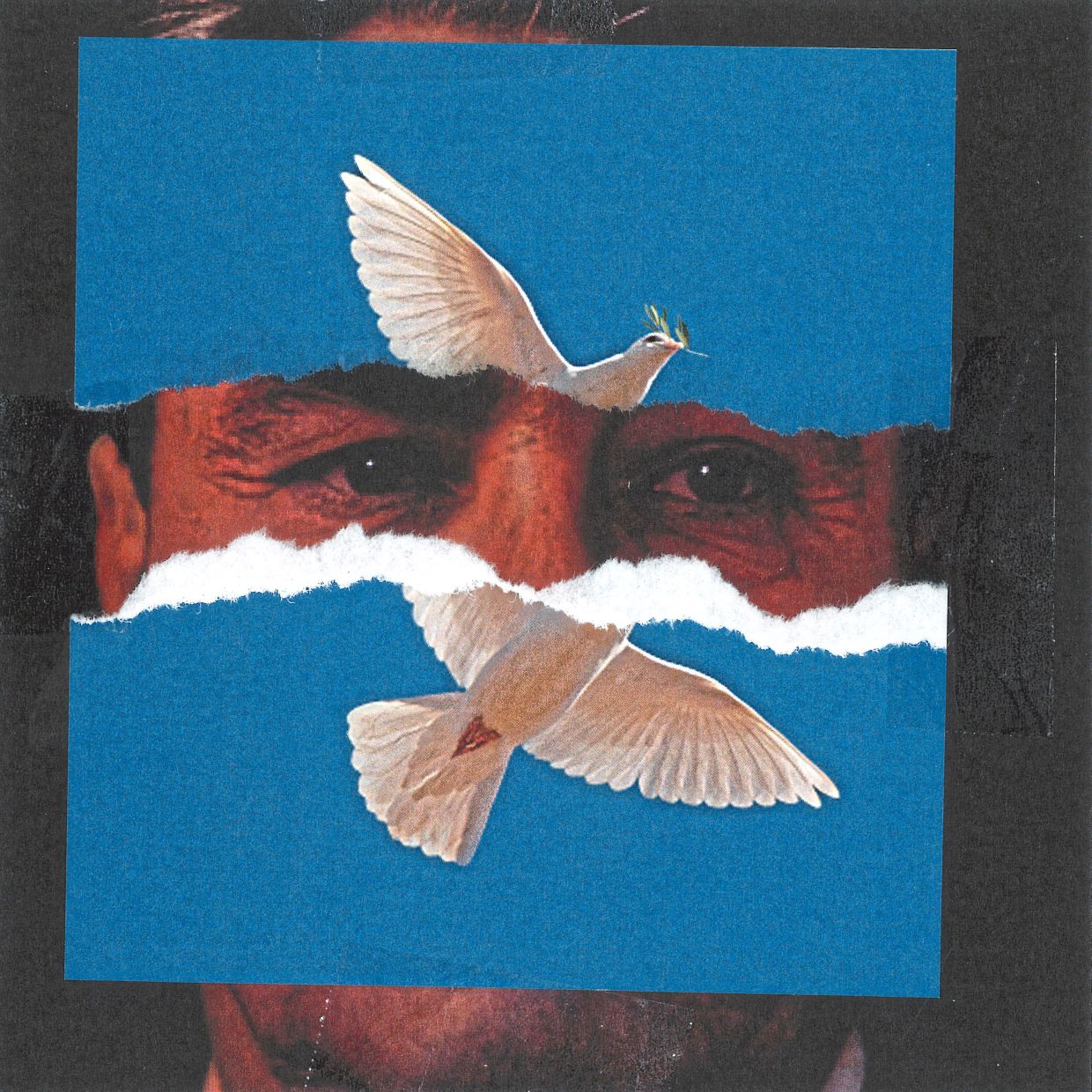
The Board of Peace is thus adding to the strain between the US and its allies. The tension was plain to see at the Munich Security Conference, for instance, during an exchange between Trump’s ambassador to the UN, Michael Waltz, and the top diplomat of the European Union, Kaja Kallas.
Waltz was in a tough spot: He had to please his audience of one in the White House while reassuring those in the room that the US wasn’t bent on dismantling the UN. (He had brought a blue hat that said “Make the UN Great Again.”) Gamely but haplessly, he emphasised that the board was founded by the UN Security Council and called it an expression of “focused multilateralism.”
Kallas countered that the board’s charter has nothing to do with the UN mandate. On they sparred, with others pointing out that the board – whose official remit is the revival of Gaza, after all – doesn’t even include any Palestinians. When Waltz began, almost by rote, rattling off all the wars that Trump claims to have ended, Kallas and some in the audience began rolling their eyes and blowing bubbles in their cheeks.
I don’t blame them. This Trumpian version of “focused multilateralism” is in fact the exact opposite of multilateralism: a naked expression of what scholars now call “neo-royalism,” a hyper-personalised form of diplomacy that rests not on the interests of states, and certainly not on the equality of states, but on the dominance and self-interest of the ruler and his clique.
“I can’t think of a single president in American history who had quite that sense that it was all about him,” says Stephen Walt, a realist scholar of international relations at the Harvard Kennedy School. “So much of what [Trump] does,” he told me, “is designed to bring adulation from others or pretend that he has it.”
That quest now takes the form of mashing together the words “Trump” and “peace” in as many contexts as possible, and either appropriating other people’s peace prizes or accepting fake ones created just to please him.
As long as this Board of Peace sticks to its UN-mandated mission of relieving the misery of people in Gaza, in conformance with international law, more power to it. If it keeps straying beyond that objective, in confrontation with international law, to serve the egomania of one man, it deserves only to be blackballed. — Bloomberg Opinion/TNS
Andreas Kluth is a Bloomberg Opinion columnist covering US diplomacy, national security and geopolitics.
Comments (0)
No comments yet. Be the first to share your thoughts.
Sign in to leave a comment.